In hermes vs genspark, pick Hermes Agent if you want an open-source agent that runs on your own machine or server, works with any model and stays under your control, and pick Genspark if you want a hosted workspace that turns one brief into a finished deck, report or page with no setup. They solve different problems. Hermes is a tool you own and run. Genspark is a service you sign in to.
📺 Watch: NEW Genspark Build AI Agent is INSANE!
🔥 Get the Agent OS as a free bonus: AI Profit Boardroom members get the full Agent OS zip, prompt libraries, daily tutorials and weekly live coaching calls. → Get inside
Sources: the Hermes Agent v0.23.0 "The Hearth Release" notes from Nous Research (5 November 2026) and Genspark's own help center.
If you want help choosing an agent stack for your business, the AI Profit Boardroom is where we share agent setups and walkthroughs every week, and you can also book a free AI strategy session to talk it through.
Hermes vs Genspark: what each one is
Hermes Agent is built by Nous Research. It is free, open source under the MIT licence, and you install it on Linux, macOS, Windows or WSL2. You choose the model: OpenRouter, OpenAI, Nous Portal, your own endpoint, or a local model through Ollama, vLLM, llama.cpp, SGLang or LM Studio. The Hermes FAQ says API calls go only to the model provider you configure, Hermes collects no telemetry, and conversations, memory and skills live locally in the Hermes home folder.
Version 0.23.0 added Group Chats for Bot Mode, a browser Webapp served from your own gateway (off by default), and a plugin catalog that Nous Research says grew from about 600 to over 1,050 entries.
Genspark is a hosted AI workspace. Its help center describes Super Agent as the agent you "hand a job to": you describe the finished thing, attach files, and it plans the steps, runs them on a cloud computer and hands back files you can open. In New Super Agent mode each project gets its own fresh cloud computer. Genspark says a long job can run for up to two hours and keeps going after you close the tab. Around it sit AI Slides, AI Sheets, AI Docs, AI Chat, Workflows and Genspark Claw, which Genspark calls "your first AI employee".
For a wider look at Genspark against a chat assistant, see Genspark vs ChatGPT.
Hermes vs Genspark side by side
| Area | Hermes Agent (v0.23.0) | Genspark |
|---|---|---|
| Who makes it | Nous Research, open source (MIT) | Genspark, closed hosted service |
| Where it runs | Your laptop, desktop or server; terminal backends include local, Docker, SSH and the Linux bubblewrap sandbox | Genspark cloud computers per project; Claw also has a desktop local mode for macOS and Windows |
| Models | Any provider you configure, or local models | Set by Genspark per product; AI Chat lists 40-plus models plus Mixture-of-Agents; Claw has a Switch Model option |
| Best output | Ongoing jobs: cron routines, chat bots, coding, research, files on your disk | Finished files from one brief: decks, docs, sheets, web pages, images, video |
| Scheduling | Built-in cron in plain language or cron syntax; deliver to chat, local files or platforms | Workflows (schedule or email trigger, one trigger each); Claw Schedules; Super Agent itself cannot schedule |
| Chat apps | Telegram, Discord, Slack, WhatsApp, Signal, email, Teams and more from one gateway | Claw: WhatsApp, Telegram, Slack, Teams, Discord, Signal, LINE, Google Chat, Feishu |
| Integrations | MCP servers plus a Nous-approved MCP catalog (Notion, Dropbox, Stripe, Airtable and more) and a community plugin catalog | Native connectors including Gmail, Outlook, Google Drive, SharePoint, Salesforce, HubSpot, Pipedrive, Notion, Box, Slack |
| Safety controls | Approvals for dangerous commands, hardline blocklist, deny rules, MCP "trust: untrusted" approval on writes, credential vault the model never sees | Workflow Approvals (on by default) pause before sends; confirm-first price cards for media; Claw DM pairing mode |
📺 Watch: Genspark 6.0 Makes AI Agents 10X Smarter
Hermes vs Genspark on control and data
This is the biggest gap. With Hermes, the agent lives on hardware you choose. Your files stay on that machine. The only outside party that sees your prompts is the model provider you pick, and with a local model that can be nobody. Nous Research documents a layered security model: dangerous commands need approval, approvals fail closed after five minutes, a hardline blocklist refuses the worst commands even in YOLO mode, and secrets are redacted from tool output by default. The Hermes Agent sandbox guide covers Docker isolation, and the new bubblewrap plugin runs every terminal command in its own Linux sandbox with credential folders hidden.
With Genspark, the work runs on Genspark's machines. Genspark says each project's cloud computer is a virtual machine separate from every other project and from your own computer. For Team and Enterprise plans, Genspark says workspaces are opted out of model training, data is encrypted at rest and in transit, and its Trust Center shows SOC 2 Type II and ISO 27001 badges. On personal accounts, Genspark says whether your data can improve its models follows your AI Data Retention setting. Claw's local mode runs on your computer, but Genspark itself calls its workspace folder "soft guidance, not a hard boundary".
📺 Watch: Genspark SB-Box Gives Every AI Agent Its Own Virtual Machine!
Hermes vs Genspark for finished deliverables
Genspark is built around the finished file. Super Agent returns a deck you can export as PPTX or PDF, a document card or a real .docx, a spreadsheet as .xlsx, or a self-contained .html page. Its help center recipes include a new deck from a past deck and a weekly recap from meeting notes.
Hermes can write files, run Python, browse with browser_exec and drive code tools, but it does not ship a slide designer or a sheet editor. Its strength is the job that repeats: a morning briefing, a weekly report, a support triage bot, or a coding agent that works inside your repo. If you want a ready dashboard on top of Hermes, our Agent OS guide shows the setup we run.
Hermes vs Genspark for automation
Both can run on a timer, but the shape differs. Genspark's Workflows page says a workflow has one trigger, either a schedule or a new email in Gmail or Outlook, and connects tools like Google Sheets, Slack, Teams, Salesforce, Pipedrive, Stripe, Box and GitHub. Genspark warns that a Test Run is a real run: emails are sent and data is changed. With Approvals on, the run pauses before each send.
Hermes cron jobs take plain language or cron expressions, can attach skills, pin a model per job, and deliver to the original chat, local files or a platform target. In cron, dangerous commands are denied by default. Approvals in Hermes cover dangerous commands and, with an MCP server marked trust: untrusted, every write-capable tool call. They do not gate outgoing messages, so the safe pattern is that the agent drafts and a person sends. For the full list of Hermes jobs, see Hermes Agent for business.
Who should pick which: Hermes vs Genspark verdict
Pick Hermes Agent if you want to own the agent, keep files on your own machine, choose or swap models freely, run local models, build repeating routines and chat bots, or work with code. You need to be fine with installing software.
Pick Genspark if you want finished decks, documents, sheets and pages from one prompt, do not want to manage a server, and are fine with the work running in Genspark's cloud under its terms.
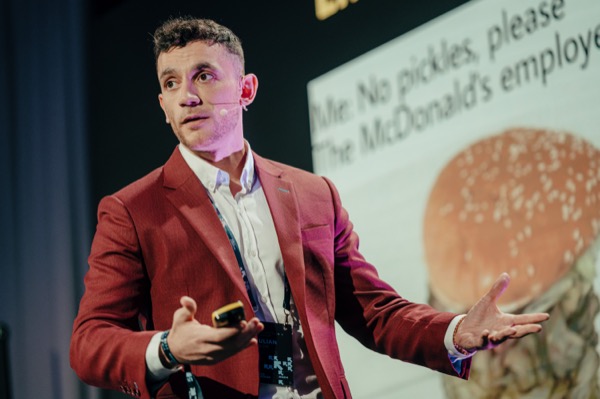
Use both if you make client-facing files often and also want private routines. A small team could draft deliverables in a hosted tool and keep recurring, data-heavy jobs on an agent it controls. If you weigh Hermes against other hosted agents too, Hermes vs Manus covers a similar split. For how the models behind these agents perform, Julian's own model testing lives at Goldie Bench.
Want step-by-step Hermes workflows? Join the AI Profit Boardroom, or get a free AI strategy session and we will map it to your business.
Hermes vs Genspark: small-business illustrations
A two-person marketing agency
An agency like this could use Genspark Super Agent to turn a client brief into a first-draft pitch deck and a landing page file, then edit them by hand. It could run Hermes on a small office server for the repeating work: a cron job that collects each client's weekly numbers into a local report and posts a summary to a private Slack channel for the team to check.
A local accounting practice
A practice holding sensitive client files could keep them on its own server with Hermes, use a local model through Ollama, and turn on manual approvals, while using a hosted tool only for public material with no client data.
A solo consultant
A consultant who sells research reports could use Genspark's long jobs and exports for polished files, and Hermes for a private Telegram bot that answers questions about past projects.
Hermes vs Genspark FAQ
Is Hermes Agent free compared with Genspark?
Hermes Agent is free and open source under MIT. You pay only your chosen model provider, and local models run on your own hardware. Genspark is a paid hosted service with free and paid plans; check its official membership page for current terms.
Which is safer for client data, Hermes or Genspark?
Hermes keeps data on your machine and sends prompts only to the model you pick, with sandbox, approval and credential vault features documented by Nous Research. Genspark keeps data in its cloud and states its own encryption and compliance badges. Read both official security pages before loading client files.
Can I connect Hermes to the same apps Genspark uses?
Some. The Hermes v0.23.0 MCP catalog includes Notion, Dropbox, Stripe, Airtable and others, the bundled google-workspace skill covers Gmail, Calendar and Drive, and you can add any MCP server yourself. Genspark lists native connectors such as Salesforce, HubSpot, Pipedrive and Box. If an app matters, check both catalogs first. You can also book a free AI strategy session to plan the connections.