OpenHands 1.20.0 shipped on 17 September 2026 with three features — agent profiles can now select which secrets they see, Docker conversation runtime settings are forwarded properly, and automations can run saved agent profiles — plus two maintenance changes, and that is the complete list. The openhands 1.20 release notes on the project's GitHub releases page are short, but every line in them points the same direction: OpenHands is hardening the boundary between what an agent can do and what it can touch, which is exactly the part of autonomous coding agents that decides whether you can trust one with real client work. Everything below is drawn from the official release notes and the project README as published, with the practical read on each change.
🔥 Get the Agent OS as a free bonus: AI Profit Boardroom members get the full Agent OS zip, prompt libraries, daily tutorials and weekly live coaching calls. → Get inside · Want AI SEO help 1-on-1? Book a free SEO strategy session →
OpenHands 1.20 Release Notes: The Full List
The release, tagged v1.20.0 and dated 17 September 2026, credits two contributors — neubig and simonrosenberg — and lists the following changes:
- Select secrets available to a profile (pull request 17237, simonrosenberg): an agent profile can now be limited to a chosen subset of your stored secrets rather than inheriting all of them.
- Forward Docker conversation runtime settings (pull request 17462, neubig): runtime settings you configure for a conversation now carry through to the Docker runtime that executes it.
- Select saved agent profiles for automations (pull request 17396, neubig): scheduled and triggered automations can run under a saved profile instead of a one-off configuration.
- Isolated Mock-LLM profiles from ambient secrets (pull request 17482, neubig): test profiles using the mock model no longer see secrets from the surrounding environment.
- Bumped released agent runtime dependencies (pull request 17489, neubig): routine dependency updates for the released runtime.
No breaking changes are flagged in the notes, and the full diff is published as the comparison between v1.19.0 and v1.20.0 on GitHub. Short list, but the first, third and fourth items all touch the same nerve: who gets to see which credentials, and when.
Secrets Selection Is the Change That Matters
Until now, the practical worry with any autonomous agent has been blast radius: hand it your environment and it holds every credential in that environment, relevant or not. Profile-scoped secrets selection changes the default. You can keep one OpenHands profile that holds a deployment key, another that holds only a read-only API token for research tasks, and an automation profile that holds nothing sensitive at all. Combined with the second security-flavoured item in the list — mock-model test profiles being isolated from ambient secrets — the release reads as a deliberate move towards least-privilege agents. That matters for anyone selling agent-built work to clients, because the question a client asks is never about benchmarks; it is about what happens to their credentials when your agent runs. Scoping secrets per profile is the same discipline you would apply to a human contractor — access to the one system the job needs, nothing else — finally expressed as a first-class setting rather than a workaround.
If you want agents doing billable work with guardrails already figured out — 1,000+ done-for-you workflows, daily tutorials and weekly live coaching calls — check out the AI Profit Boardroom → get inside here. Want to grow your own traffic with AI first? Book a free SEO strategy session and get a 1-on-1 plan.
Profiles for Automations Turn OpenHands Into a Scheduler
The third feature closes a loop the previous two open. Saved agent profiles already let you define a repeatable configuration — model, secrets, runtime settings. As of 1.20.0, automations can select one of those saved profiles, which means a recurring job runs under exactly the identity you designed for it rather than whatever configuration happened to be active. Together with the Docker runtime settings fix, the pattern for unattended work becomes clean: define a profile, scope its secrets, point an automation at it, and the container it runs in now honours the runtime settings you set for the conversation. If your interest in agents is precisely this kind of hands-off recurring work, the same pattern in a different tool is covered in the Hermes Agent installation guide, and the Agent OS guide covers the operating layer that decides what those scheduled agents should actually do all day.
Where OpenHands Sits Among the Agents You Already Know
OpenHands is the MIT-licensed autonomous coding agent formerly discussed alongside every open agent stack: the README shows 88.5 thousand GitHub stars and a bring-your-own-model design that works with any LLM provider. Against the tools this site covers most, the positioning is straightforward. It is a software-engineering specialist rather than a general business agent, which makes it a different animal from the frameworks in the best Hermes alternatives round-up, and from the general-purpose contenders in the best AI agents for 2026 list. If your mental model is the Hermes versus OpenClaw comparison, OpenHands slots in as the option optimised for pull-request-shaped work: it clones a repository, edits, tests and ships. That narrowness is a feature when the work is code and a limitation when it is not, so most serious setups end up pairing a coding specialist like this with a general agent that handles research, content and operations. Model choice still dominates results in that niche — the best agent LLM breakdown and the Goldie Bench write-up cover how the main agent brains compare in hands-on tests, and those findings transfer directly to what you should plug into OpenHands.
How to Install or Update to OpenHands 1.20.0
The README documents three routes onto the new version, and all three are free to self-host:
- npm: install the agent-canvas package globally — the command is npm install -g @openhands/agent-canvas — then launch it with the agent-canvas command. This is the fastest start, and it runs without a sandbox.
- Docker: run the published container image, ghcr.io/openhands/agent-canvas at tag 1.20.0, exposing port 8000 and mounting two folders — your projects directory and a local .openhands configuration folder — into the container. The tag is the version pin: when 1.21.0 lands, you change the tag and re-run.
- From source: clone the repository, run npm install, then npm run dev. Only worth it if you plan to modify the tool itself.
For anything touching real client repositories, the Docker route is the sensible default, because the container boundary is what stands between an autonomous coding agent and the rest of your machine — and this release's whole theme is exactly that kind of boundary-drawing.
Should You Update to 1.20.0?
Yes, and quickly, for one reason: the release cadence means staying behind gets expensive. The project's releases page shows v1.11.0 on 7 August 2026 and v1.20.0 on 17 September 2026 — nine minor releases in under six weeks — so each individual update is small, and skipping several means absorbing a pile of changes at once. Running the Docker route pins you to a tagged image — ghcr.io/openhands/agent-canvas at tag 1.20.0 — so updating is a matter of pulling the new tag; the npm route installs the agent-canvas package globally and updates the same way. Nothing in the 1.20.0 notes is flagged as breaking, and the two maintenance items — dependency bumps and mock-profile isolation — are the kind you want applied before they matter rather than after.
One honest caveat: the notes are terse, and the deeper documentation for profiles and automations lives in the project docs rather than the release page. If you build a workflow on the new secrets selection, read the docs for the exact scoping behaviour before you put a production credential anywhere near it. For how this release fits the wider tooling picture on a working stack, the DeepSeek harness versus Claude Code comparison shows the same secrets-and-runtime questions playing out between two other stacks worth knowing.
The Bottom Line on OpenHands 1.20
The openhands 1.20 release notes describe a small, security-minded release: scoped secrets per profile, honest runtime settings in Docker, and automations that run under saved profiles — shipped 17 September 2026, no breaking changes, two contributors. If you run OpenHands anywhere, update; if you have been waiting for a sign that autonomous coding agents are maturing into tools you can point at client work, a release entirely about permission boundaries is precisely that sign.
If you want to turn agent releases like this into actual income — the systems, prompt libraries and weekly live coaching are all inside — check out the AI Profit Boardroom → join here. Prefer a personal roadmap? Book a free SEO strategy session and get your next 90 days mapped 1-on-1.
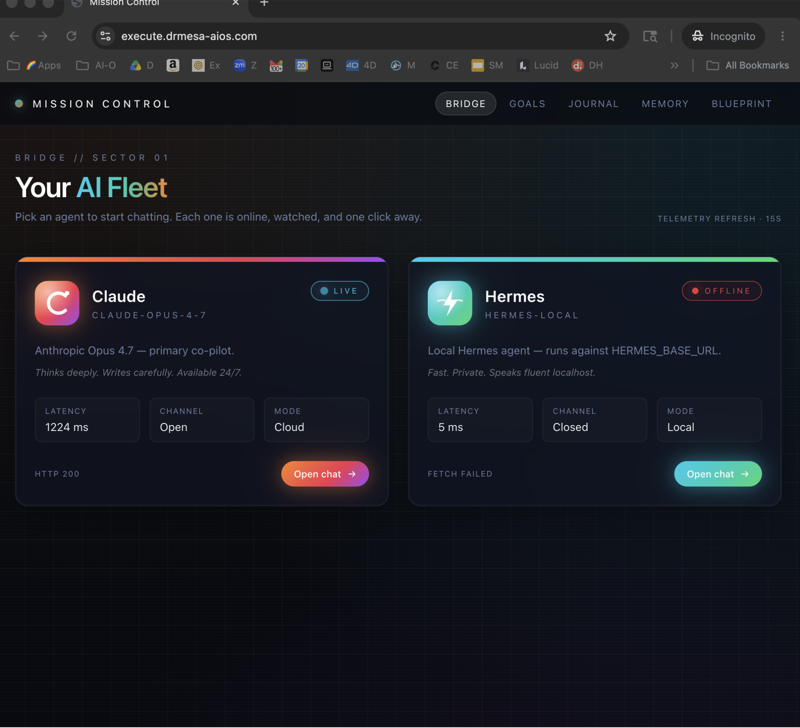
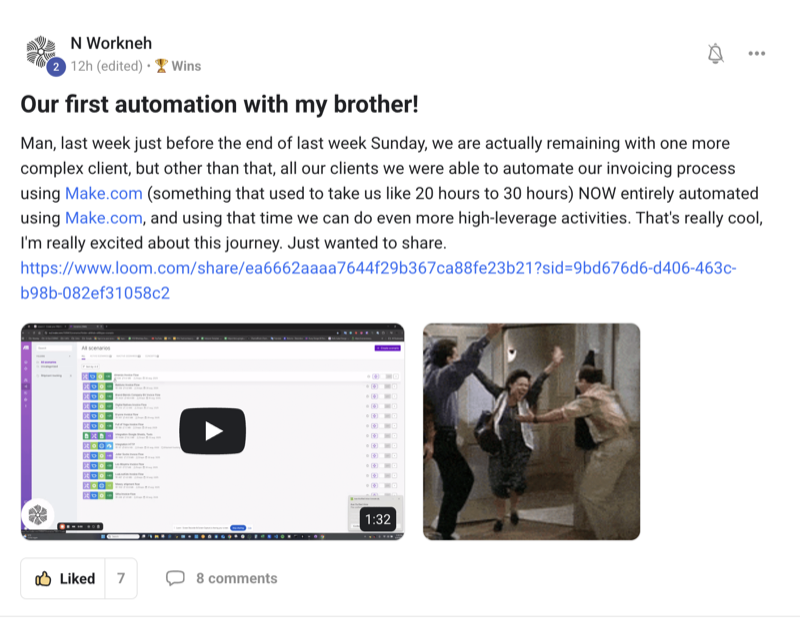
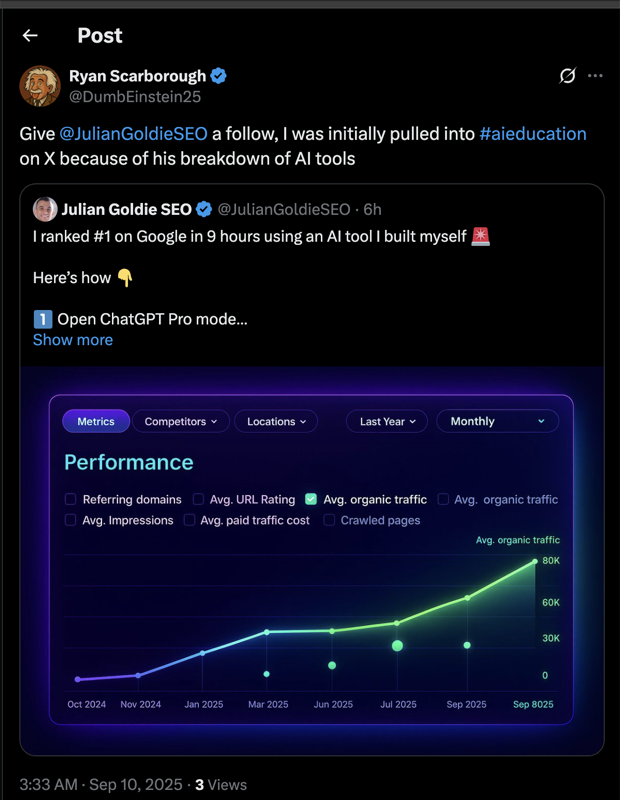
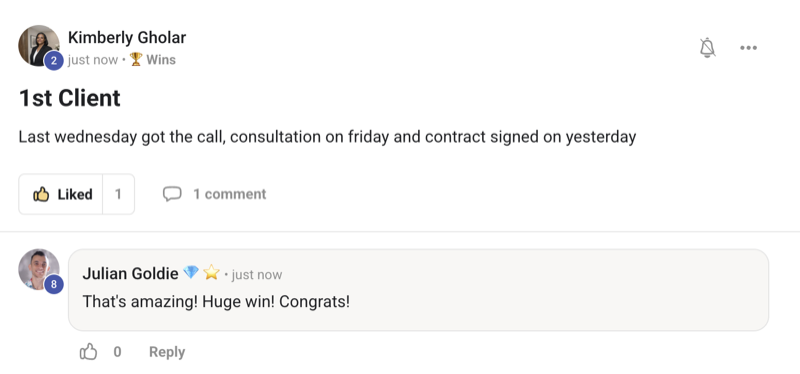
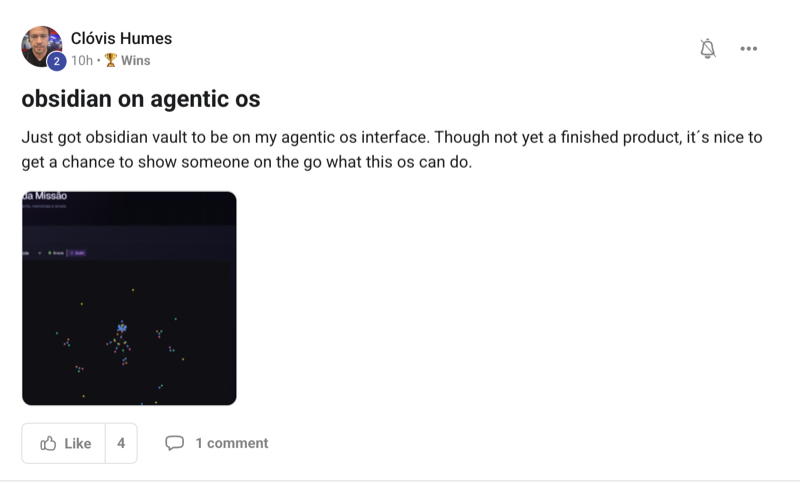
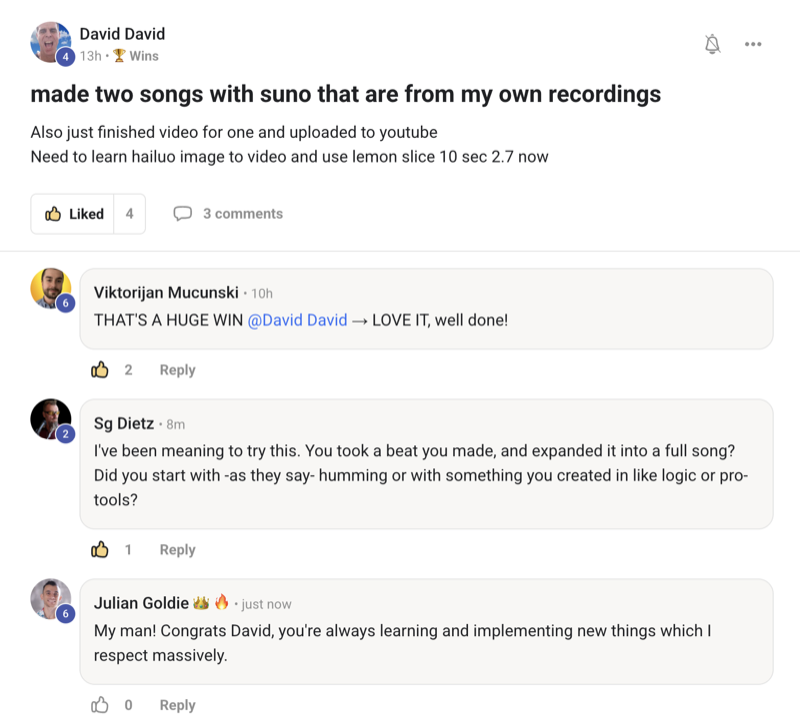
Real wins from inside the AI Profit Boardroom
See all 3,000+ members →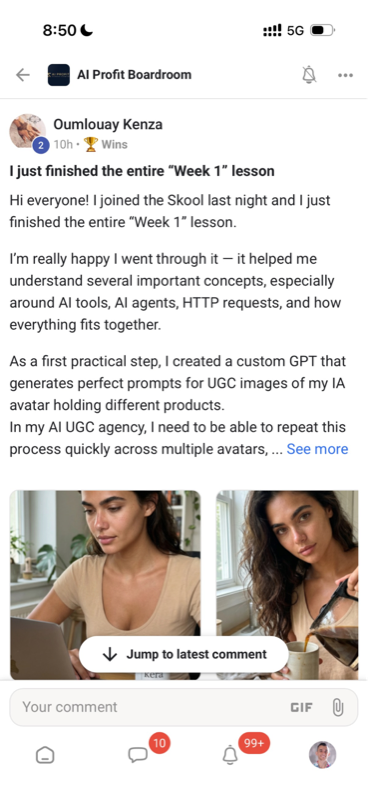
Ready To Join The #1 AI Community?
Join 3,600+ entrepreneurs inside the AI Profit Boardroom. Get 1,000+ plug-and-play AI agent workflows, daily coaching, and a community that holds you accountable.
Join The AI Community →7-Day No-Questions Refund • Cancel Anytime
Wait — before you leave
Get the entire AI Profit Stack for $69/mo locked
- 🎯 1,000+ done-for-you AI agent workflows
- 📅 5 live coaching calls per week with me
- 👥 3,000+ AI operators inside
- 🛡️ 7-day refund + 30-day ROI guarantee