Run the /advisor command in Claude Code, pick a stronger model from the picker, and from that point Claude consults that second model at key decision moments in your task — that is claude code advisor mode in one sentence. Officially Anthropic calls it the advisor tool, it is experimental, and it pairs your everyday main model with a heavyweight adviser that reads the full conversation and returns guidance before Claude commits to an approach, when an error keeps recurring, or before a task is declared done. Everything below comes from the official Claude Code documentation and the Claude Code changelog, which added the text form of the command in version 2.1.260 on 3 September 2026.
📺 Watch: Claude Code Just Got a HUGE Customization Upgrade
🔥 Get the Agent OS as a free bonus: AI Profit Boardroom members get the full Agent OS zip, prompt libraries, daily tutorials and weekly live coaching calls. → Get inside · Want AI SEO help 1-on-1? Book a free SEO strategy session →
The pitch is simple economics: you get top-tier judgement at the moments that decide whether a long task succeeds, without paying top-tier rates for every routine turn in between.
What Claude Code Advisor Mode Actually Does
Per the official documentation, the advisor is a server tool that runs on Anthropic's infrastructure. You choose which model acts as the advisor; Claude decides when to call it. When a consultation happens, the advisor model receives the entire conversation — every tool call and result included — and returns guidance that Claude applies before continuing. In the transcript you see an Advising line with the advisor model's name, then either a Reviewed result (press Ctrl+O to read the guidance) or a Declined result if the advisor chose not to weigh in.
The docs are candid about where it helps: long, multi-step tasks where most turns are routine but plan quality determines the outcome — big refactors, debugging sessions with a recurring error, work you want independently checked before Claude calls it complete. For short tasks, they recommend simply switching your main model instead, and the cc-switch guide to switching Claude Code models covers that workflow in detail.
Three Ways to Turn It On
- The /advisor command. Run it bare to open a model picker, or pass a model directly, for example /advisor opus. The choice is saved to your user settings and persists across sessions. Version 2.1.260 (changelog, 3 September 2026) extended the text form to the desktop app, Remote Control and headless sessions, with /advisor off to disable.
- The advisorModel setting. Set a persistent default in your settings file without opening a session — useful when you standardise a team setup, alongside the permissioning covered in the Claude Code access restriction guide.
- The --advisor flag. Launch with the flag to set an advisor for one session only, leaving your saved default untouched.
Once active, Claude Code shows a notification that the advisor tool is on and may use more tokens. You cannot force or cap advisor calls with a setting — but the docs note you can simply ask for a consultation in your prompt, the same way you would request any tool.
If you want to squeeze serious output from Claude Code without burning budget on the biggest model all day, the AI Profit Boardroom has daily tutorials, the full prompt libraries and weekly live coaching calls on exactly this kind of setup — check out the AI Profit Boardroom. Want a 1-on-1 look at your own workflow first? Book a free SEO strategy session and get a direct answer.
Which Models Can Advise Which
The rule is that the advisor must be at least as capable as the main model. The official pairing table condenses to this:
| Main model | Accepted advisors |
|---|---|
| Haiku 4.5 | Fable, Opus, Sonnet — Haiku can call an advisor but cannot be one |
| Sonnet 4.6 | Fable, Opus, Sonnet |
| Sonnet 5 | Fable, Opus, Sonnet 5 |
| Opus 4.6 | Fable, Opus, Sonnet 5 |
| Opus 4.7 or later | Fable, or Opus 4.7 and later |
| Fable 5 or 5.1 | Fable 5.1, or the same Fable version |
You can pass the aliases fable, opus or sonnet — these resolve to Claude Code's current default version for each family — or a full model ID. Subagents inherit the configured advisor and run the same pairing check against their own model. If the pairing is invalid, the advisor simply is not attached and Claude Code tells you so. For background on how the top-end models compare in the first place, the Opus 5 vs Fable 5 comparison is the reference read, and note that Fable as an advisor needs Fable access plus, on some plans, a one-time consent to bill Fable usage to usage credits.
📺 Watch: Run Claude Code Free Forever, Here's How!
What It Costs and When It Is Worth It
Each advisor call sends the full transcript to the advisor model, billed at that model's rates on top of your main model's usage — on subscription plans it counts toward your usage limits, with the Fable-to-usage-credits exception above. Two details from the documentation matter for cost planning:
- Calls happen at decision points, not every turn. That is why the docs say a fast main model plus a strong advisor typically costs less than running the strong model throughout. The recommended pairings — Sonnet main with Opus advisor, Haiku main with Opus advisor for the lowest base cost — are all built on that arithmetic. If budget is the whole game, pair this with the tricks in the running Claude Code free guide.
- Your prompt cache survives. Toggling the advisor mid-session does not invalidate the main model's prompt cache, unlike switching models. The advisor's own read of the conversation, however, is never cached — each consultation processes the transcript fresh.
Advisor usage shows up in the /usage session totals, so you can see exactly what the second opinion habit costs you in practice.
Using Claude Code Advisor Mode Day to Day
A sensible starting configuration, based on the pairings the documentation itself recommends: keep Sonnet as your main model for routine sessions, set /advisor opus once so it persists, and let the tool sit silent until a task gets long. On a big refactor or a stubborn bug, tell Claude directly to consult the advisor before it commits to a plan — an explicit request in your prompt is the one lever you control. When the Advising line appears, resist the urge to interrupt; when the Reviewed line lands, press Ctrl+O and actually read the guidance, because it is the only visible record of what the second model recommended. And note the documented behaviour if advice conflicts with reality: Claude follows the advisor's guidance in general, but surfaces the conflict rather than obeying blindly when a recommended step fails or the files contradict the advice. That balance — strong second opinion, evidence still wins — is the feature working as designed.
Requirements and the Fine Print
Three constraints from the official docs are worth knowing before you rely on it:
- Anthropic API only. The advisor is server-executed and is not available on Amazon Bedrock, Claude Platform on AWS, Google Cloud's Agent Platform or Microsoft Foundry. Through an LLM gateway it depends on whether requests are forwarded intact.
- Supported main model. Fable, Opus 4.6 or later, Sonnet 4.6 or later, or Haiku 4.5.
- Feature-flag fetching must be on. The advisor arrives via a feature flag fetched from Anthropic, so environments that disable flag fetching keep it off. To disable it entirely there is a dedicated environment variable, and /advisor off clears a saved advisor.
It is also worth placing the advisor among its alternatives: plan-mode model escalation runs the stronger model only while planning, subagents run a chosen model for a whole delegated subtask, and a plain model switch changes everything from the next request. The advisor is the only one where the stronger model watches your actual conversation and intervenes mid-task. If you are building toward a structured multi-agent workflow rather than a single session, the Agent OS guide covers how to organise that properly, and the Goldie Bench write-up covers how these model brains compare in hands-on tests — useful context for choosing your advisor pairing. For getting your team fluent with all of this, there is a full Claude Code training path on this site, and the Claude Code SEO agent build shows the kind of long-horizon task where an advisor pairing earns its keep.
If you want the full playbook for turning Claude Code into a revenue-producing system — setups, prompt libraries, daily tutorials and weekly live coaching calls — check out the AI Profit Boardroom. And if you would rather start with a conversation about your specific goals, book a free SEO strategy session — it costs nothing.
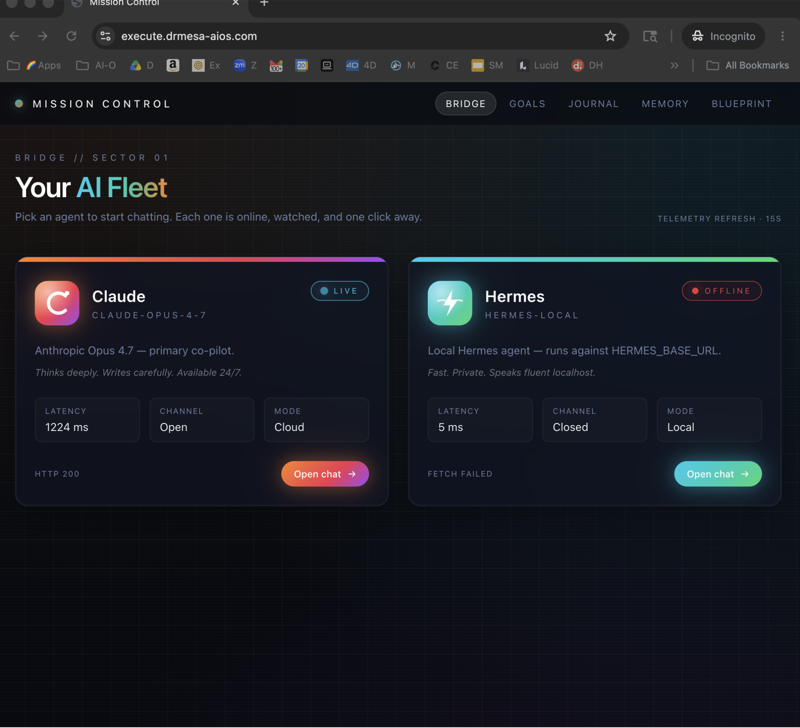
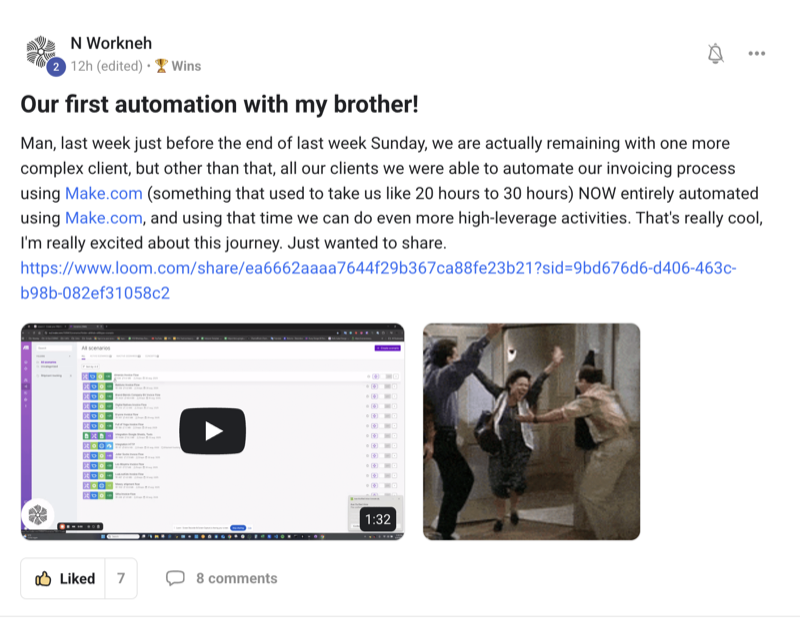
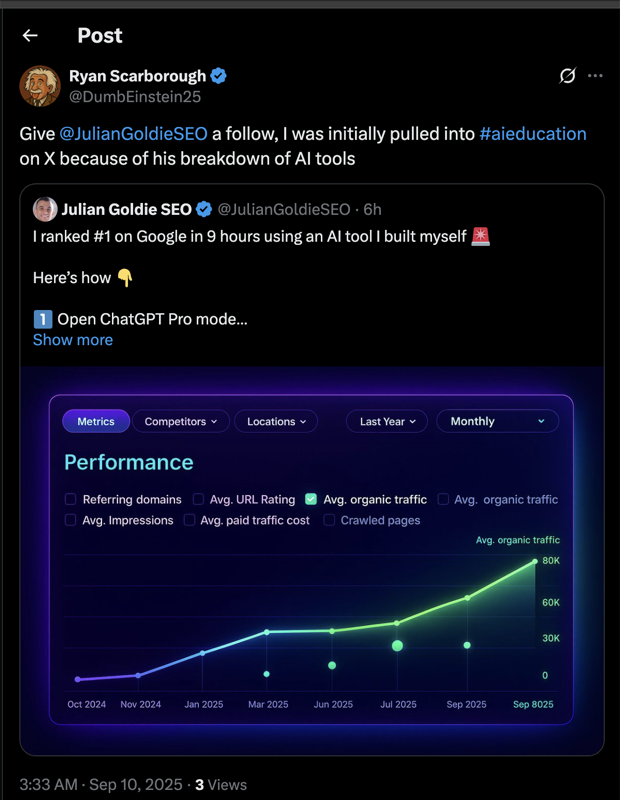
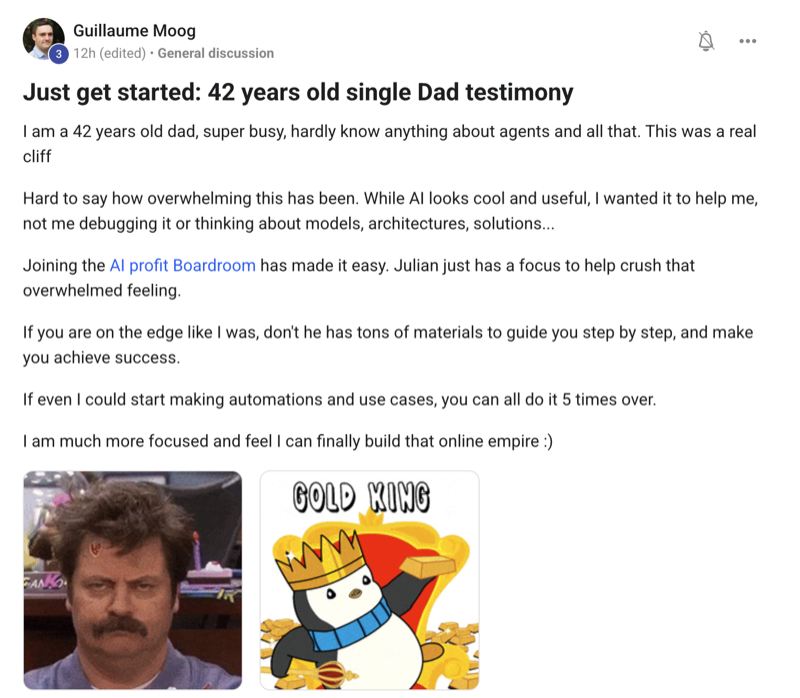
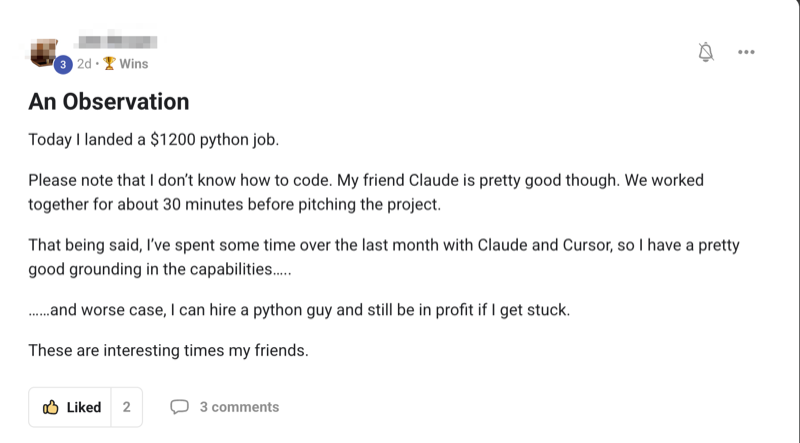
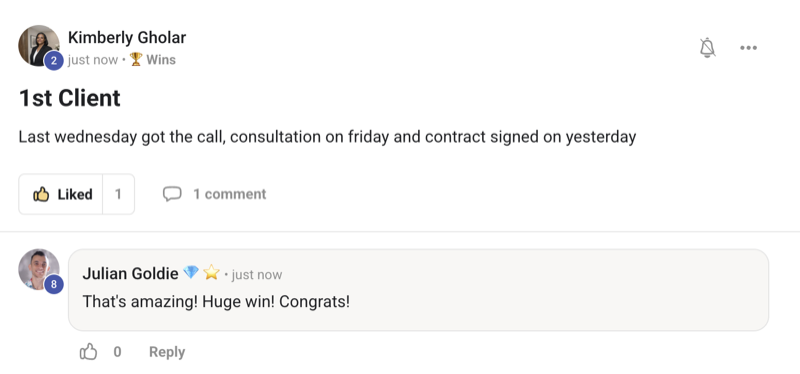
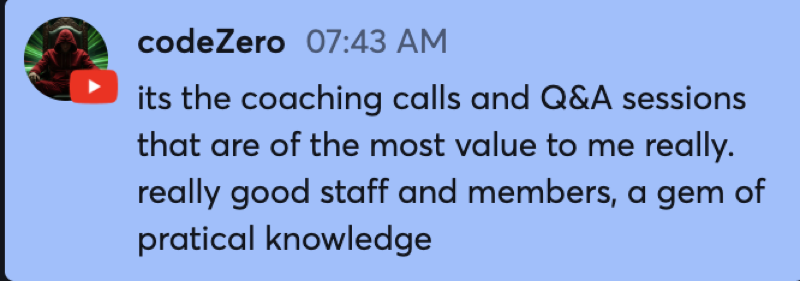
Real wins from inside the AI Profit Boardroom
See all 3,000+ members →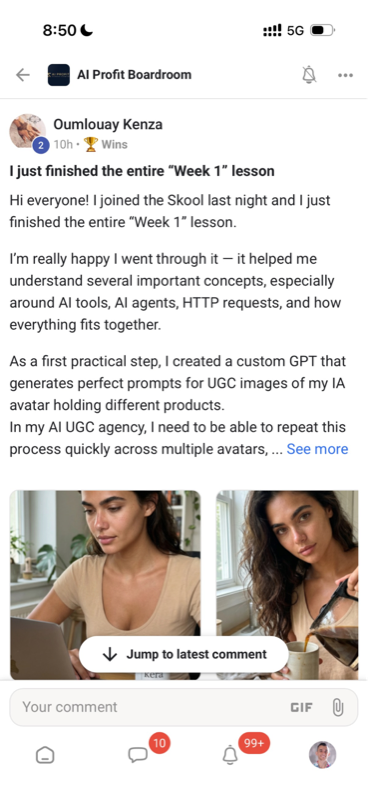


Ready To Join The #1 AI Community?
Join 3,600+ entrepreneurs inside the AI Profit Boardroom. Get 1,000+ plug-and-play AI agent workflows, daily coaching, and a community that holds you accountable.
Join The AI Community →7-Day No-Questions Refund • Cancel Anytime

Wait — before you leave
Get the entire AI Profit Stack for $59/mo locked
- 🎯 1,000+ done-for-you AI agent workflows
- 📅 5 live coaching calls per week with me
- 👥 3,000+ AI operators inside
- 🛡️ 7-day refund + 30-day ROI guarantee