Setting up cc switch claude code management takes about five minutes, and it solves the most annoying problem in a multi-tool AI stack: every coding agent stores its provider settings in a different config format, and switching APIs means hand-editing files across half a dozen apps. CC Switch is a free, MIT-licensed desktop app that replaces all of that with one visual interface — per the project's README it manages Claude Code, Claude Desktop, Codex, Gemini CLI, Grok Build, OpenCode, OpenClaw and Hermes Agent from a single window, with more than 50 built-in provider presets and a local proxy that can hot-switch between them. I have been running it across my own stack, and this guide covers what it does, what surprised me, and how I would set it up today.
📺 Watch: This All-in-One AI Agent Manager Is SCARY Good
🔥 Get the Agent OS as a free bonus: AI Profit Boardroom members get the full Agent OS zip, prompt libraries, daily tutorials and weekly live coaching calls. → Get inside
What CC Switch Actually Is
The project describes itself as a cross-platform all-in-one assistant for AI coding tools, built on the Tauri 2 framework with a Rust backend and React frontend. It runs on Windows 10 and later, macOS 12 and later, and mainstream Linux distributions. It is open source under the MIT licence, and at the time of writing the repository sits at over 130,000 GitHub stars — which, for context, puts it among the most starred developer tools of the year and roughly doubles the count it had in early summer. Momentum like that usually means the tool is scratching a real itch.
The itch is configuration sprawl. If you run Claude Code alongside Codex and a Hermes agent — which is precisely the stack I recommend in my Hermes agent and Claude Code guide — you have three different places where API endpoints, keys and model routes live, in three different file formats. Change providers, and you get to edit all of them. CC Switch centralises those provider profiles and switches them per app with a click.
The Features That Matter, Ranked
- Number 1 — one-click provider switching with 50+ presets. Per the README, the app ships more than 50 built-in provider presets with one-click importing and instant switching. In practice this is the core loop: pick the app, pick the provider profile, done. No JSON, no TOML, no dotfiles.
- Number 2 — the local proxy with hot-switching. The README describes a local proxy layer with format conversion, auto-failover, circuit breaker and health monitoring. This is the grown-up feature: your tools point at one stable local endpoint, and CC Switch swaps what sits behind it — including failing over automatically when a provider has a bad day.
- Number 3 — the unified MCP panel. MCP servers can be managed in one panel and synced bidirectionally across the supported apps. Anyone who has rebuilt the same MCP server config in four different tools knows exactly why this exists — it is the same pain I documented in my Hermes MCP server guide.
- Number 4 — Skills from GitHub. The README notes Skills support with installation from GitHub repositories, so shared agent skills can be pulled into your tools without manual copying.
Want my full multi-agent stack, pre-configured? Inside the AI Profit Boardroom you get the complete Agent OS zip, my provider and routing setups, 1,000+ agent workflows, daily tutorials and five live coaching calls a week. Grab my exact configuration here.
CC Switch Claude Code Setup: How I Would Do It Today
Install from the official source — the README is explicit that ccswitch.io is the only official website, which matters because popular free tools attract lookalike sites. Grab the build for your platform there or from the GitHub releases, open the app, and add your first provider profiles for Claude Code. From there the honest advice is the same I gave in my 9Router walkthrough: I deliberately avoid pasting exact click-paths into blog posts, because interfaces change monthly and the repo stays current while posts go stale. The shape of the setup is stable though — install, import or create provider profiles per app, then let the proxy hold one endpoint steady while you switch what is behind it.
The fastest route of all: describe your stack to your agent and let it do the plumbing. I had a Hermes agent read the CC Switch documentation and configure my profiles — the same pattern I use for every tool in my Agent OS, where setup tasks are just another job you delegate.
📺 Watch: FREE Claude Code is Absolutely INSANE
How It Performed In My Own Testing
I put CC Switch through Goldie Bench, our own testing routine for stack tooling, with a simple question: does it survive a week of real work without me thinking about it? The answer was yes, with one caveat. The provider switching and MCP sync worked exactly as advertised across Claude Code, Codex and Hermes Agent — I moved a full working session between two providers mid-afternoon and nothing downstream noticed. The caveat is scope: a proxy in the middle of your AI tooling is a piece of infrastructure, and you should treat it like one. Keep it updated, and know how to point your tools back at their direct configs if you ever need to bypass it.
It is also worth being clear about what CC Switch is not. It is not an API aggregator — it does not give you access to models you have not got credentials for, which is the job of routers like the ones I compared in my OmniRoute install guide. And it is not an agent manager in the orchestration sense — it does not schedule or run your agents, it manages the configuration layer underneath them. The cleanest mental model: routers move traffic, CC Switch moves settings.
CC Switch Vs 9Router Vs OmniRoute
Because these three come up together constantly in the community, here is how I separate them after running all three. 9Router is a free, open-source local router that wires into the OAuth sessions you already have — Claude, Codex, Copilot — and exposes hundreds of models through subscriptions you already pay for; my 9Router review has the full verdict. OmniRoute plays a similar routing game with its own provider catalogue. CC Switch sits underneath both: it manages the configuration and switching layer of your coding tools themselves, and a router is simply one more provider profile you point them at. They are complements, not competitors — my current stack runs CC Switch for the config layer with a router behind it for model access, and that combination covers effectively every model I care about with two free, open-source tools.
| Tool | Layer | Best for |
|---|---|---|
| CC Switch | Configuration and switching | Managing providers, MCP and skills across many apps |
| 9Router | Model routing | Reusing existing subscriptions across many models |
| OmniRoute | Model routing | Alternative router with its own catalogue |
Who Should Install It — And Who Should Not
Install it if you run two or more AI coding tools, or one tool with two or more providers. The moment you have ever hand-edited a config file to switch models, this app pays for its ten-minute learning curve the same day. It has earned a permanent place in my stack alongside free Claude Code and my Hermes agents, and it is the first thing I now install on a fresh machine after the agents themselves — it also plays perfectly with the local-model setups I covered in my Claude Desktop and Ollama guide, since local endpoints are just another provider profile.
Skip it if you run exactly one tool with exactly one provider and have no plans to change. A config manager for one config is a solution looking for a problem — revisit when your stack grows, which, if you follow this blog, it will. And if you sit in the middle — one tool, but you keep eyeing cheaper providers — install it anyway: removing the friction from switching is precisely what makes you actually try the cheaper option instead of just reading about it.
The bigger picture is the one worth ending on. The AI coding ecosystem has quietly standardised around a handful of interoperable pieces — agents, providers, MCP servers, skills — and tools like CC Switch exist because mixing and matching those pieces is now normal. Lock-in is dying at the tooling layer. The operators who win from here are the ones set up to swap any piece of their stack the week something better ships — and that is a habit, not an accident.
Want to build a stack that prints while you sleep? Join 3,000+ operators inside the AI Profit Boardroom — the full Agent OS as a free bonus, 1,000+ done-for-you workflows, my complete tool configs, daily tutorials and weekly live coaching calls. Get inside and wire up your stack tonight.
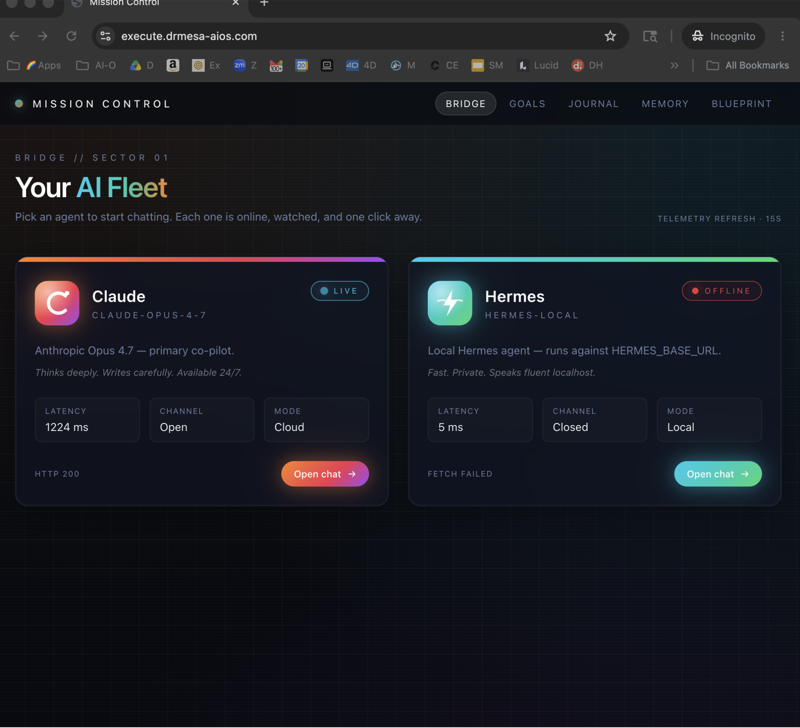
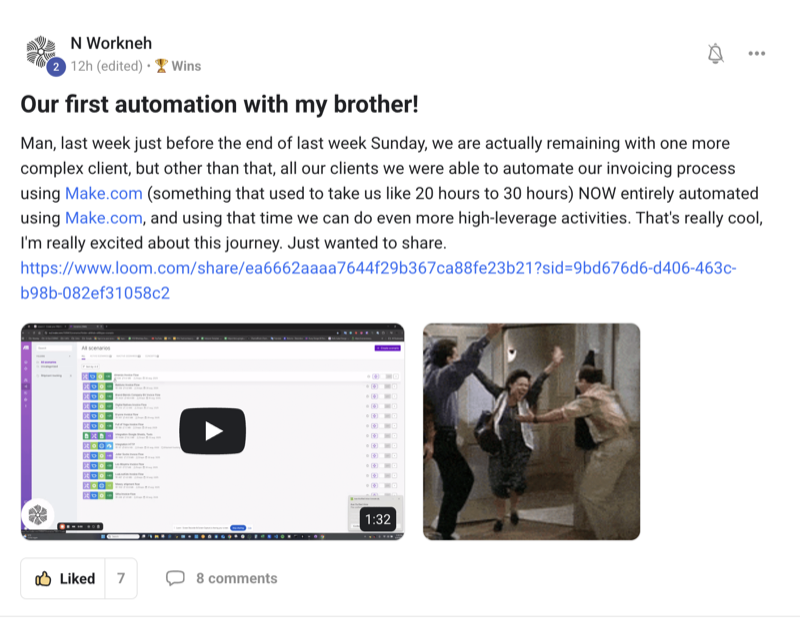
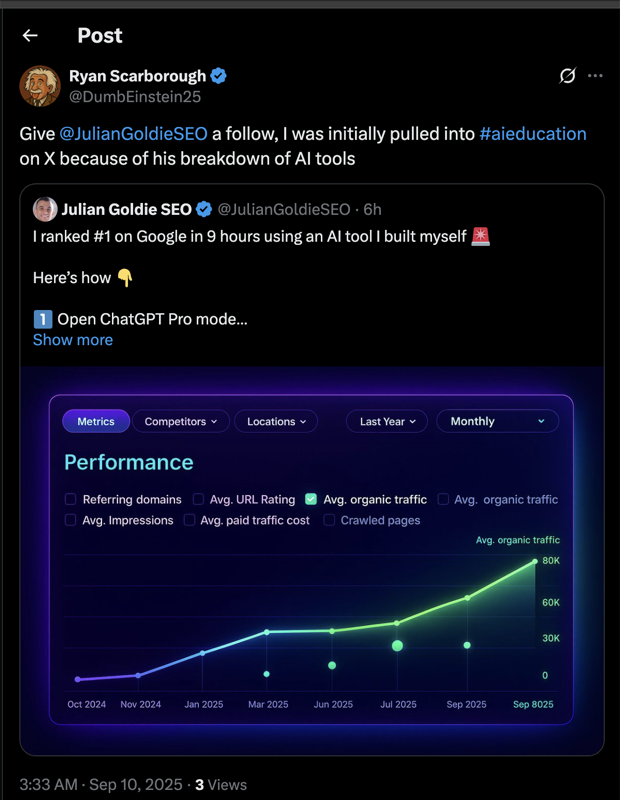
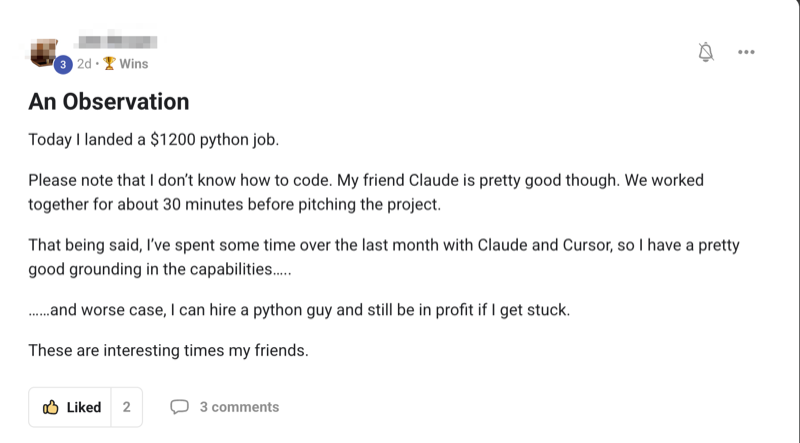
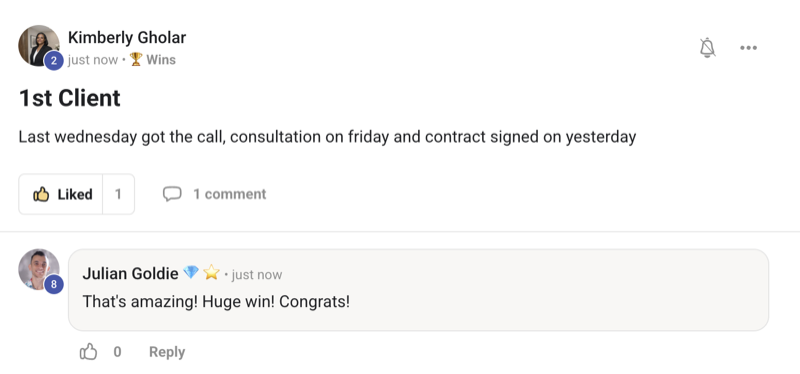
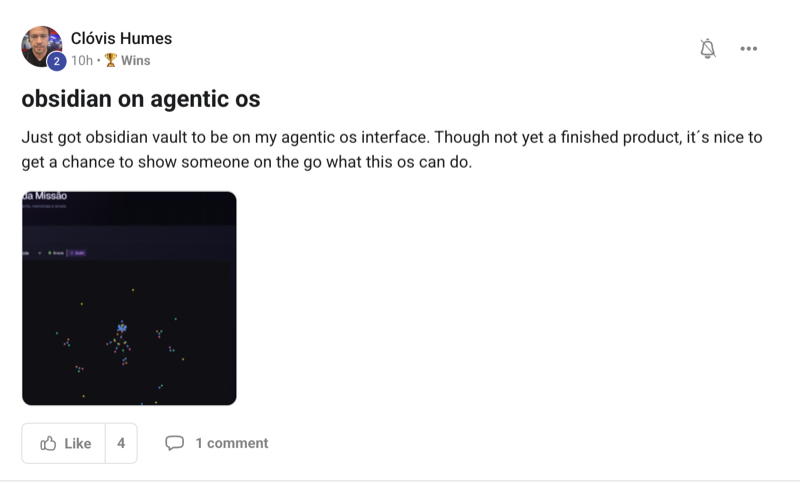
Real wins from inside the AI Profit Boardroom
See all 3,000+ members →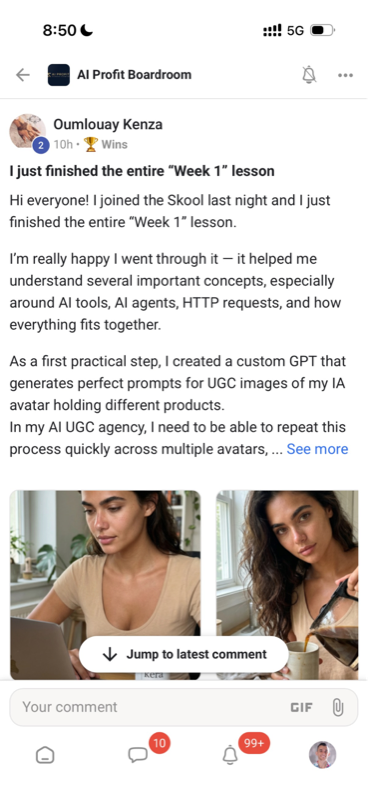



Ready To Join The #1 AI Community?
Join 3,600+ entrepreneurs inside the AI Profit Boardroom. Get 1,000+ plug-and-play AI agent workflows, daily coaching, and a community that holds you accountable.
Join The AI Community →7-Day No-Questions Refund • Cancel Anytime

Wait — before you leave
Get the entire AI Profit Stack for $59/mo locked
- 🎯 1,000+ done-for-you AI agent workflows
- 📅 5 live coaching calls per week with me
- 👥 3,000+ AI operators inside
- 🛡️ 7-day refund + 30-day ROI guarantee