Open the new OpenClaw Systems workspace and you get every machine you run agents on gathered into one searchable view — the official 2026.9.5 changelog describes it as bringing together "searchable machines, their reported resource readings, and an available remote desktop". It shipped in OpenClaw 2026.9.5, the stable release published on 19 September 2026, and it is the closest thing OpenClaw has offered to a built-in fleet view: instead of juggling terminal windows to check what each box is doing, you search, read the resource numbers and, where a desktop is available, open it remotely without leaving OpenClaw at all.
📺 Watch: OpenClaw 2.0 Is a MASSIVE Upgrade for AI Agents
🔥 Get the Agent OS as a free bonus: AI Profit Boardroom members get the full Agent OS zip, prompt libraries, daily tutorials and weekly live coaching calls. → Get inside · Want AI SEO help 1-on-1? Book a free SEO strategy session →
The 2026.9.5 release is a big one by any measure — the project's GitHub release page records 64 direct commits, 4,179 merged pull requests and 503 contributors behind it — so this page covers the Systems workspace first and then everything else in the release worth knowing, all sourced from the official changelog published alongside the release on 19 September 2026.
What The OpenClaw Systems Workspace Is
The Systems workspace, tracked in the changelog as change 147519, is a dedicated area of the OpenClaw web UI for the machines behind your agents rather than the agents themselves. The changelog lists three things it brings together: searchable machines, the resource readings each machine reports, and an available remote desktop. If you run OpenClaw across a laptop, a home server and a VPS — a common pattern once agents start doing real work — that has previously meant three separate ways of checking on hardware. The Systems workspace folds that into one screen inside the same UI you already use for conversations and tasks.
It pairs naturally with another 2026.9.5 change: a searchable device picker for choosing "where to start a suggested task", complete with capacity details, tracked as change 145019. Between the two, OpenClaw now shows you what each machine is carrying before you hand it more work, then lets you watch the load once the work is running. That is fleet thinking, and it is exactly the direction heavier OpenClaw operators have been pushing the project on, as the OpenClaw roadmap breakdown covers.
Remote Desktop And Resource Readings, Explained
Two details in the Systems workspace deserve their own paragraph each. First, resource readings: the changelog says machines surface "their reported resource readings", meaning each machine reports its own numbers into the workspace. You get an at-a-glance answer to the question that usually requires a shell session — is this box under pressure — across every machine you have connected, in one searchable list.
Second, the remote desktop. The changelog describes "an available remote desktop" within the Systems workspace, so when a machine offers a desktop you can reach it from inside OpenClaw rather than switching to a separate remote-access tool. For agent operators the appeal is obvious: when an agent on a remote box does something odd, the distance between noticing the problem and looking at that machine directly just got much shorter. How each machine type exposes its desktop is one for the official OpenClaw docs, which the release notes point to for configuration specifics.
If you want a fleet of agents earning while you sleep — with the dashboards, workflows and daily tutorials already mapped out — check out the AI Profit Boardroom → Get inside and grab the Agent OS. Prefer 1-on-1 help with your AI SEO first? Book a free SEO strategy session.
Everything Else That Ships In OpenClaw 2026.9.5
Beyond the Systems workspace, the 19 September 2026 changelog is dense with quality-of-life changes across the OpenClaw web UI. The highlights, each with its changelog reference: a new Agents overview showing "recent activity and conversation previews together, with a direct link to each agent's main chat" (141097); session dashboards that let you "add a hosted HTTPS website to a session dashboard" and expand it across the task area (146312); and native Codex and Claude Code sessions opening "in a main terminal page, with the sidebar available" (145065), which keeps other tools' sessions inside the OpenClaw workflow.
Composer and chat handling improve too. You can draft messages while chat history loads (143625) and queue them before loading finishes (145531); in shared sessions, each person's live draft appears in a softer bubble labelled "Typing · not sent" (147669); you can select a passage and choose "Add to chat" to save a comment without disturbing your draft (148649); emoji names autocomplete as you type (146737); and conversations take custom artwork — including a pasted custom SVG — under the icon and colour settings (147442). None of these is a headline on its own, but together they make the UI feel considerably less like a terminal wrapper, which matters if you spend hours a day in it the way members of the best OpenClaw community circles tend to.
Setup Continuation And The New Device Picker
Installation got friendlier in 2026.9.5 as well. First-run setup can now resume if it gets interrupted: the changelog describes finishing "in the workspace you already approved while keeping your saved agents, model and runtime choices" (147705), so a dropped connection mid-setup no longer means starting from scratch. And FreeBSD joins the supported platforms for the CLI, installable with the install-cli.sh script using system Node and npm (147204) — a small entry with a clear signal about how broad the project's platform ambitions are.
The searchable device picker mentioned earlier completes the picture. Suggested tasks now ask where they should run, with capacity details shown per device, so the decision about which machine takes the job becomes explicit rather than accidental. If your machines double as money-makers — agents doing client work, content pipelines, research — routing tasks to the box with headroom is a genuinely useful default to have in the UI, and it compounds with the approaches in how to make money with OpenClaw. It is the same systems-first thinking the Agent OS guide applies to a whole agent operation — treat machines, memory and orchestration as one stack and each new workspace slots straight in.
How To Get The OpenClaw 2026.9.5 Update
OpenClaw 2026.9.5 is a stable-channel release, published 19 September 2026 at 01:55 UTC per the GitHub release page, so it arrives through the normal update path for your install rather than requiring a beta opt-in. The release page publishes the full notes in two formats — human-readable release notes with expandable sections, and a plain-markdown changelog aimed at AI agents and tools — with the latter at the project's GitHub repository under CHANGELOG for 2026.9.5.
If you are still weighing OpenClaw against alternatives before committing to the update treadmill at all, the Pi vs OpenClaw comparison lays out how it stacks against a leading rival, and the OpenClaw memory persistence guide covers the layer most people evaluate right after the UI. For picking which model brain to run behind it, the Goldie Bench write-up covers how the current models compare in hands-on tests.
Quick Reference: OpenClaw 2026.9.5 Changes
| Change | What it does | Ref |
|---|---|---|
| Systems workspace | Searchable machines, reported resource readings, available remote desktop | 147519 |
| Device picker | Choose where a suggested task runs, with capacity details | 145019 |
| Agents overview | Recent activity and conversation previews with links to each agent's chat | 141097 |
| Session dashboards | Add a hosted HTTPS website to a dashboard and expand it | 146312 |
| Terminal page | Native Codex and Claude Code sessions open in a main terminal page | 145065 |
| Setup continuation | Resume interrupted first-run setup with saved choices kept | 147705 |
| FreeBSD CLI | Install the CLI on FreeBSD via install-cli.sh | 147204 |
📺 Watch: I Tested OpenClaw 2.0 Browser Use… Here’s the Truth
OpenClaw Systems Workspace FAQs
What is the OpenClaw Systems workspace?
A new workspace in OpenClaw 2026.9.5 that gathers your machines into one view — searchable, with each machine's reported resource readings and an available remote desktop, per the official changelog entry 147519 dated 19 September 2026.
Does the Systems workspace replace Mission Control?
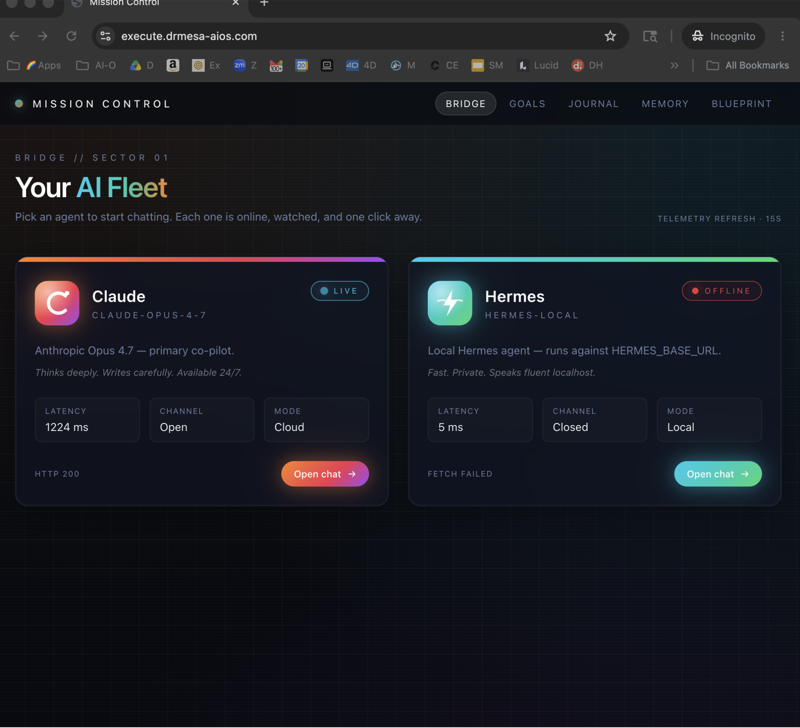
No — they answer different questions. Mission Control is the free, open-source dashboard maintained by Builder Labs for agents and tasks: sessions, task board, memory browser, token usage. The Systems workspace is about the machines underneath. The OpenClaw Mission Control guide covers that side in full.
Is OpenClaw 2026.9.5 a stable release?
Yes. It was published to the stable channel on 19 September 2026, with 64 direct commits and 4,179 merged pull requests recorded on the GitHub release page.
Can OpenClaw open a remote desktop on my other machines?
The changelog states the Systems workspace includes "an available remote desktop", so machines that offer a desktop can be reached from inside OpenClaw. Platform-specific configuration lives in the official OpenClaw docs.
What else is new in 2026.9.5?
An Agents overview, a searchable device picker with capacity details, dashboards that embed hosted HTTPS sites, a terminal page for native Codex and Claude Code sessions, resumable first-run setup, FreeBSD CLI support and a set of composer improvements including live drafts and comment-saving.
Verdict: The Fleet View OpenClaw Was Missing
The OpenClaw Systems workspace is the most operator-friendly change in 2026.9.5 because it acknowledges what running agents seriously actually looks like: multiple machines, uneven load and the need to see all of it quickly. Add the device picker and the Agents overview and this release moves OpenClaw a clear step from single-box tool towards fleet platform. If you run more than one machine, update and open the Systems workspace first — it will likely earn a permanent tab. The rest of the release is polish, but it is polish in the places you touch every day, which is the kind that counts.
If you want to turn a fleet like this into actual income — client agents, content systems and the exact workflows that pay — check out the AI Profit Boardroom → Join 3,000+ operators inside. Or get direct help first: book a free SEO strategy session and plan it 1-on-1.