DeepSeek V4.1 Flash can natively understand images — and that is the headline change: the DeepSeek V4.1 Flash vision capabilities are built into the base model itself rather than bolted on through an experimental variant, according to the official DeepSeek API changelog entry dated 10 September 2026. It is the smallest model in DeepSeek's new architecture family, it posts serious benchmark numbers for its size, and you reach it through the API simply by setting the model name to deepseek-flash. Here is what the vision upgrade actually covers, the numbers DeepSeek published alongside it, and what it changes for anyone building with the API.
📺 Watch: How to use DeepSeek V4.1 Flash for FREE!
🔥 Get the Agent OS as a free bonus: AI Profit Boardroom members get the full Agent OS zip, prompt libraries, daily tutorials and weekly live coaching calls. → Get inside · Want AI SEO help 1-on-1? Book a free SEO strategy session →
DeepSeek V4.1 Flash vision capabilities: what is actually new
The changelog language is short but specific: DeepSeek-V4.1-Flash is "the smallest model in our new architecture family, with native multimodal visual understanding." Two things in that sentence deserve unpacking. First, native multimodal means image understanding is part of the model proper — you send images to the same model that handles your text, with no separate vision endpoint. Second, the new architecture family framing matters: DeepSeek describes the architecture as built for a higher capability ceiling, faster inference and higher throughput, with Flash as the entry point that will scale up to larger siblings. So the vision support you get in Flash today is the baseline for the family, not a one-off experiment.
From experimental vision to native multimodal
DeepSeek did not arrive here in one jump, and the changelog trail makes the progression clear. On 21 August 2026 the company shipped V4-Flash-Vision-Exp, an explicitly experimental multimodal model you had to call by its own model string, deepseek-v4-flash-vision-exp. Less than three weeks later, V4.1 Flash folds that capability into the main model. That is the standard pattern for DeepSeek releases — experiment publicly, then promote the experiment into the mainline — and it is worth remembering the next time an Exp-suffixed model appears in their docs, because it usually previews where the next point release is going. The earlier DeepSeek V4 tutorial covers the model family this all grew out of if you are catching up on the lineage.
If you want to turn model releases like this into actual income systems instead of just reading about them, check out the AI Profit Boardroom → join the community here. Want a second pair of eyes on your own AI setup first? Book a free SEO strategy session — it is genuinely free.
The benchmark numbers DeepSeek published
DeepSeek released three headline scores with V4.1 Flash, and for the smallest model in a family they are striking:
| Benchmark | DeepSeek V4.1 Flash score |
|---|---|
| GPQA Diamond | 90.9 |
| Codeforces rating | 3471 |
| MathArena Apex | 65.6 |
All three figures come from DeepSeek's own announcement, so treat them the way you should treat any vendor-published benchmark: as the best case, pending independent testing. Even with that caveat, a 90.9 on GPQA Diamond and a 3471 Codeforces rating from the family's budget model tells you where the architecture ceiling sits. For how model brains stack up against each other in practical agent work rather than benchmark tables, the Goldie Bench write-up covers how these models compare in hands-on tests.
📺 Watch: NEW DeepSeek V4.1-Flash Is a GAME CHANGER!
How to use DeepSeek V4.1 Flash vision through the API
Access is deliberately boring, which is a compliment. Per the changelog, you change the model name in your existing API calls to deepseek-flash and you are on V4.1 Flash — no new endpoint, no migration guide. DeepSeek also states that API prices have been reduced accordingly with this release; the current per-token figures live on the API docs pricing page, and it is worth checking them there rather than relying on third-party summaries, because DeepSeek adjusts pricing more often than most labs. Two related notes from the same changelog: DeepSeek V4 Pro remains available after 14 September 2026 with its billing method unchanged, after the company said it would keep providing the API in response to user demand, and V4 Pro still offers its three thinking-effort levels from the August GA release. So nothing you built on Pro breaks while you evaluate Flash — a detail the DeepSeek expert mode guide readers will appreciate, since that workflow leans on Pro-tier reasoning.
What native vision unlocks for agent workflows
Vision in the cheap, fast tier is more consequential for agent builders than another benchmark bump would have been. Screenshots are the universal interface of business automation: dashboards without APIs, invoices as PDFs, competitor pages, ad creatives, product photos. An agent harness wired to a text-only budget model has to route every one of those through a pricier vision model or skip them entirely. With the DeepSeek V4.1 Flash vision capabilities in the base model, the same cheap calls that handle your text can now read the screen. Concretely, that covers jobs like pulling numbers out of dashboard screenshots on a schedule, reading invoices and receipts into structured records, checking what a competitor's landing page actually looks like rather than just what its HTML says, and reviewing image creatives before they go live — the unglamorous visual work that businesses generate every single day. If you run DeepSeek models inside an agent stack, the DeepSeek harness guide covers the setup this slots into, and the DeepSeek harness vs Claude Code comparison is the honest look at when it beats the incumbent and when it does not. Structuring that into an actual operating system for your business is what the Agent OS guide is for.
DeepSeek V4.1 Flash vs V4 Pro: which one should you call?
With both models live on the API, the split is straightforward. DeepSeek V4 Pro is the reasoning workhorse: it went generally available on 13 August 2026 under the model name deepseek-v4-pro, it supports three thinking-effort levels you can dial up for harder problems, and DeepSeek has confirmed it stays available after 14 September 2026 with billing unchanged. V4.1 Flash is the volume play: smallest model in the new architecture family, reduced pricing, and now the native vision that Pro workflows previously had to route around. The practical rule of thumb that falls out of the published specs: send high-stakes, multi-step reasoning to Pro with the thinking effort turned up, and send everything high-volume, latency-sensitive or image-heavy to Flash. Most real agent stacks want both — a cheap eyes-and-hands model doing the bulk of the work, escalating to the expensive brain only when a task earns it. That routing pattern is exactly what harness-level setups are for, and it is where the cost savings genuinely compound.
Does DeepSeek V4.1 Flash run locally?
The 10 September changelog entry covers the API release only — it says nothing about open weights for V4.1 Flash, so as of publication the way to use it is through DeepSeek's hosted API. That is a real difference from parts of the earlier V4 line that the local-model community adopted heavily. If your priority is running DeepSeek models on your own hardware, the DeepSeek V4 Ollama guide covers what is practical locally today, and the DeepSeek V4 OpenClaw setup shows the open-tooling route. Watch the official DeepSeek channels for any weights announcement rather than assuming one is coming — the company has open-sourced selectively in the past, and nothing about this release commits it either way.
📺 Watch: Deepseek v4.1 is SCARY GOOD!
DeepSeek V4.1 Flash vision: the sensible next steps
If you already call the DeepSeek API, the move is a one-line change: point a low-stakes workload at deepseek-flash, send it a few of the screenshots and documents your business actually produces, and compare the output against whatever vision model you currently pay more for. If the quality holds for your use case, the reduced Flash pricing does the rest of the argument for you. If you are newer to all of this, start with the tutorial video above, then work through the guides linked in this article in order — model access first, harness second, operating system third. The labs will keep shipping; the advantage goes to the people who fold each release into a working system within days instead of bookmarking it.
If you want the full Agent OS, prompt libraries, daily tutorials and weekly live coaching calls that turn releases like DeepSeek V4.1 Flash into money-making systems, check out the AI Profit Boardroom → get inside here. Rather talk your situation through first? Book a free SEO strategy session and get a personal plan.
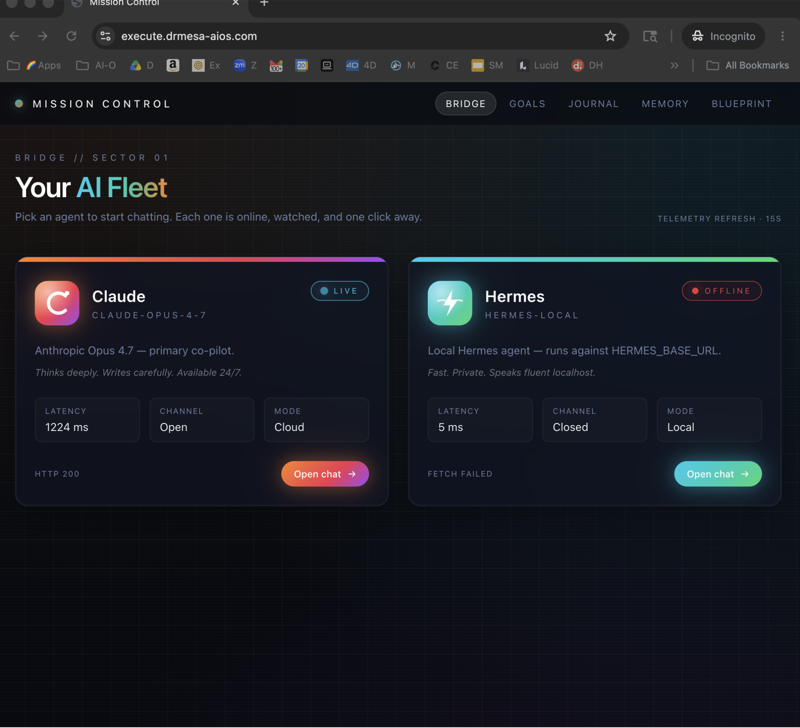
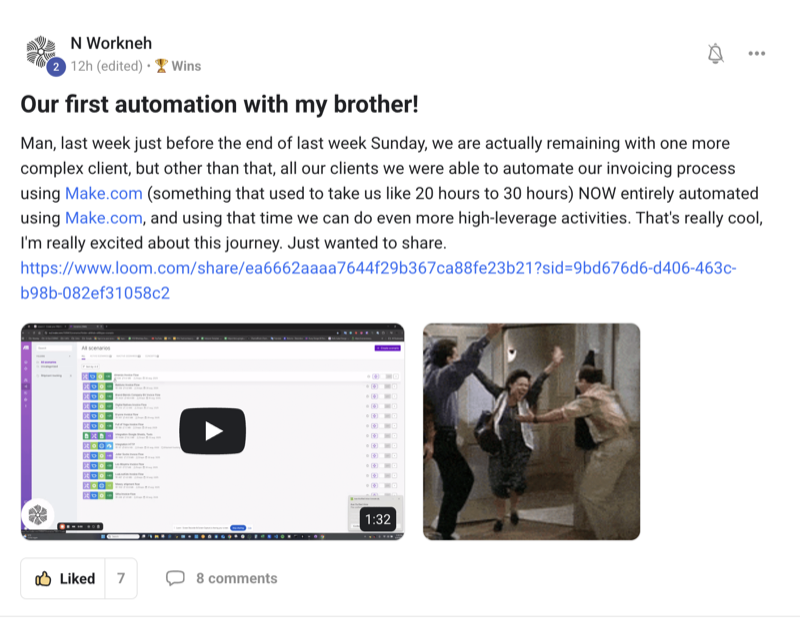
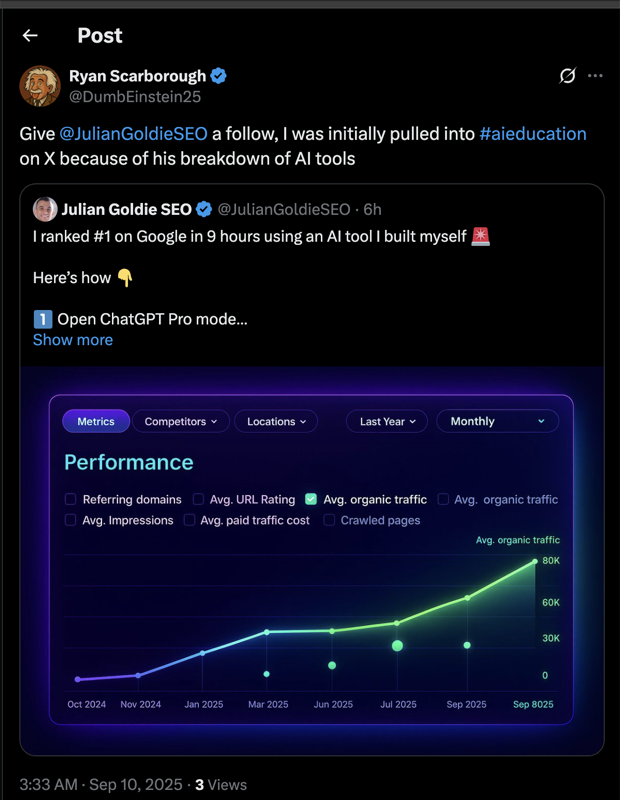
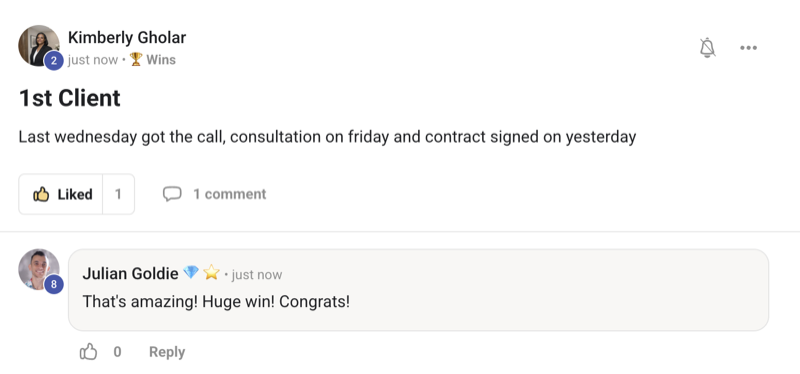
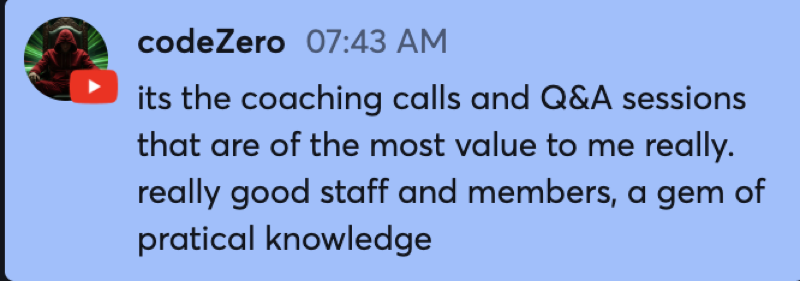
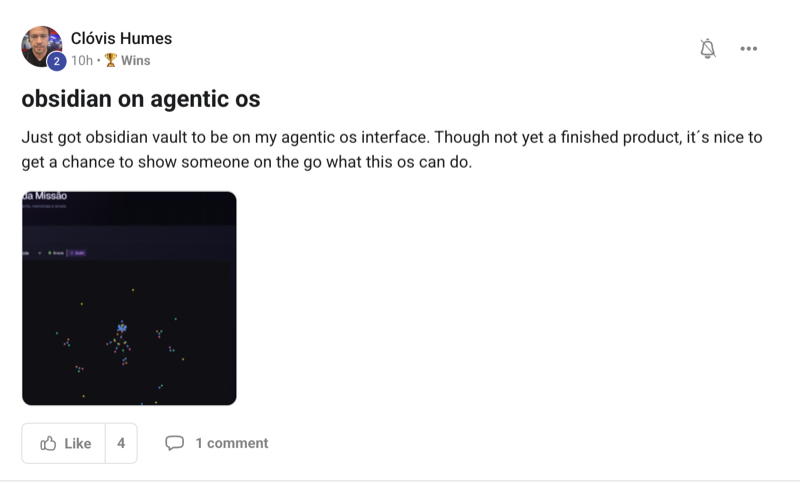
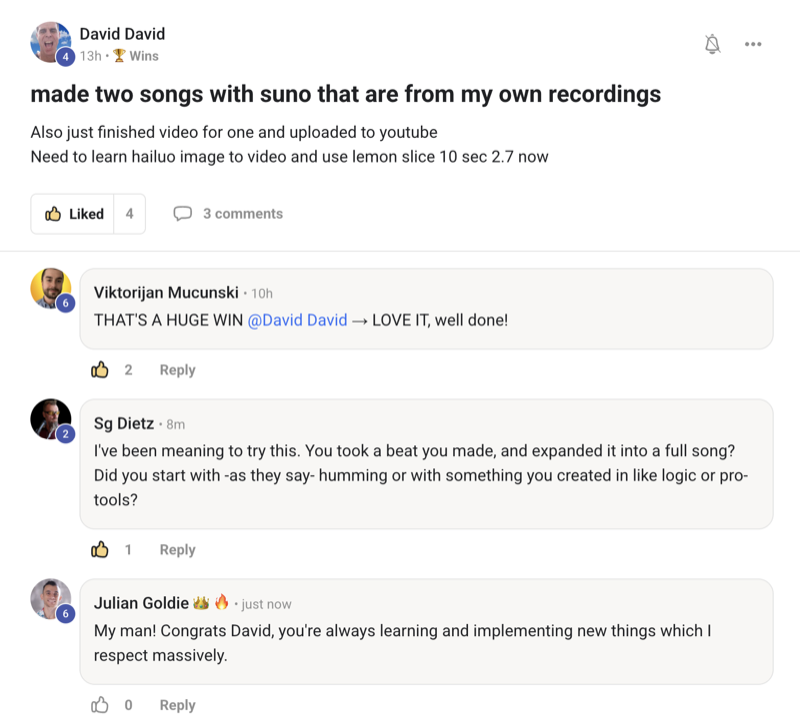
Real wins from inside the AI Profit Boardroom
See all 3,000+ members →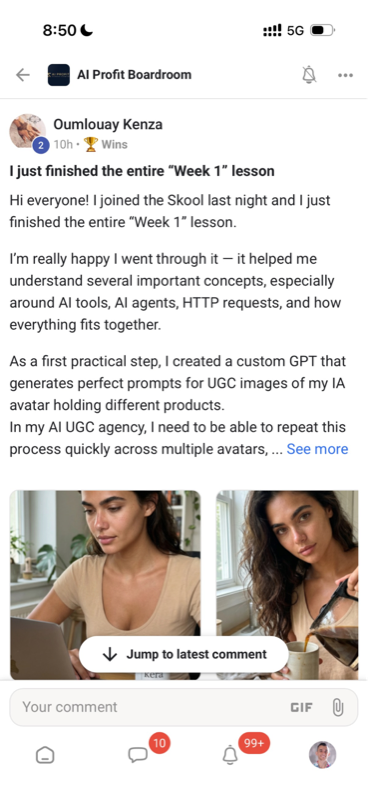
Ready To Join The #1 AI Community?
Join 3,600+ entrepreneurs inside the AI Profit Boardroom. Get 1,000+ plug-and-play AI agent workflows, daily coaching, and a community that holds you accountable.
Join The AI Community →7-Day No-Questions Refund • Cancel Anytime
Wait — before you leave
Get the entire AI Profit Stack for $59/mo locked
- 🎯 1,000+ done-for-you AI agent workflows
- 📅 5 live coaching calls per week with me
- 👥 3,000+ AI operators inside
- 🛡️ 7-day refund + 30-day ROI guarantee